
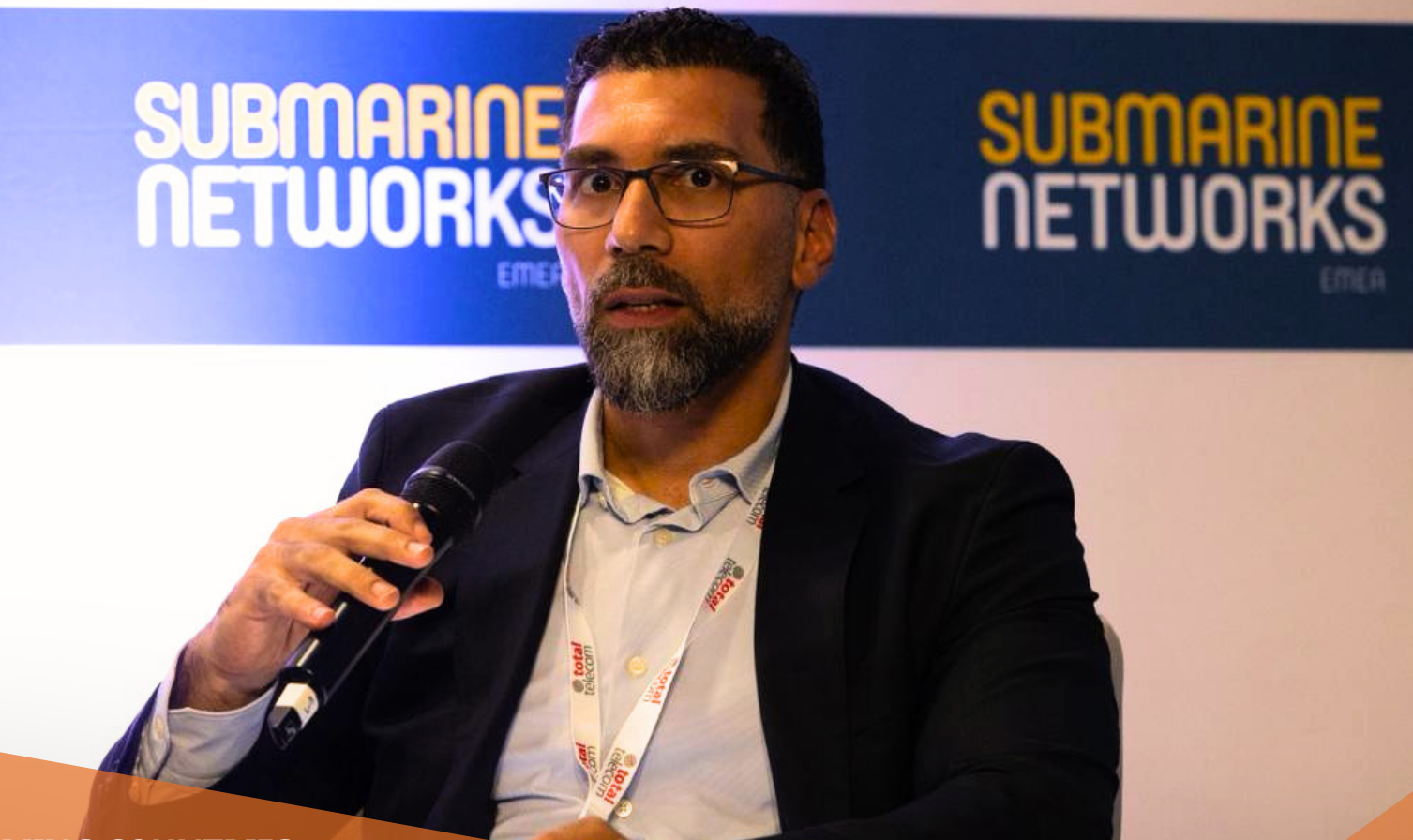
We’re proud to share that Sabah AlKubaisy led the panel session at #SubmarineNetworks with key takeaways from the conversations on digital infrastructure across MENA and what they signal for operators and investors alongside William Marra, Giuseppe Valentino, Valentina Dal Borgo.
The gap isn’t cable, it’s the product layer. Hyperscalers know what they want: sovereign platform architecture, SLA-backed capacity guarantees, data residency compliance, a single counterparty across markets. Most of the infrastructure exists. The operators who close that product gap first will command a fundamentally different valuation multiple than those still selling capacity on a cost-plus model. That’s where competitive advantage lives.
Geopolitical routing is now a design variable, not a contingency. The Red Sea disruptions are the visible symptom. The real shift: network architects are treating geopolitical risk as a first-order input into infrastructure design. The corridors being anchored today, the Oman-India route, diversification through the Gulf, Iraq and Syria positioning will be difficult to replicate in five years. Waiting for certainty before committing capital means finding the routes already taken.
Without economic authority, coordination becomes advice. Structural separation is no longer theoretical Center3, Ooredoo Fibre Networks (OFN), and ZOI have set the regional precedents. But the governance question is harder: without a real P&L, real ROIC accountability, and real transfer pricing, infrastructure coordination gets ignored the moment an OpCo CEO has a quarterly target to hit. Structure matters.
Regulation is an investment signal. The markets accelerating approvals have made one specific policy choice: faster infrastructure deployment serves the national interest, not just the operator’s P&L. That reframe moves the conversation from lobbying to co-design. Operators who recognize this early have a structural advantage.
The defining question: The gap in Middle East infrastructure isn’t connectivity it’s platform architecture. Who builds the platform not just the cable will define the next decade of infrastructure value creation in the region.
This insight draws from our panel discussion at Submarine Networks EMEA 2026 and ongoing strategic advisory work across MENA infrastructure.