Nairobi, Kenya / Dubai, UAE – 31 July 2026
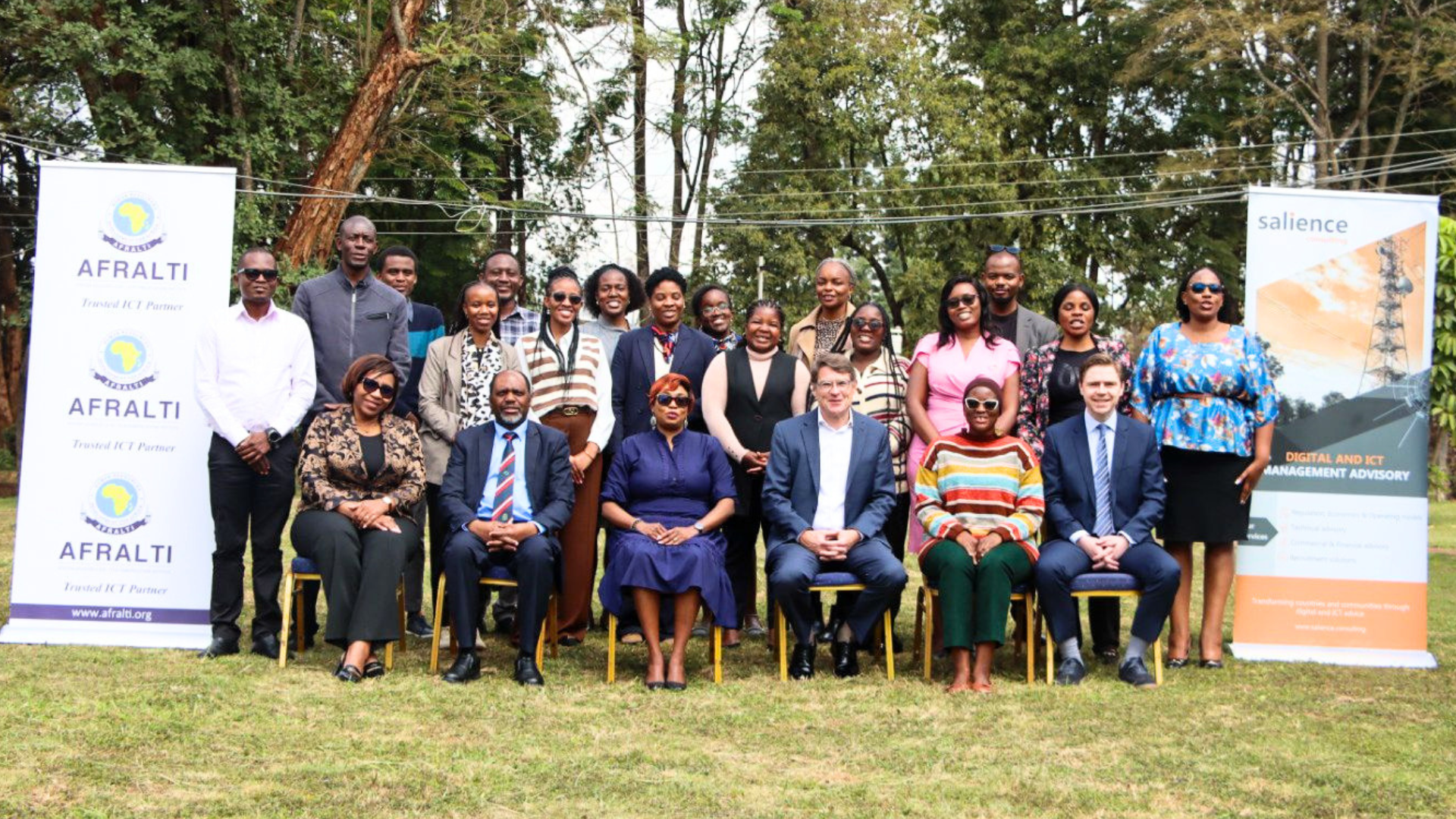
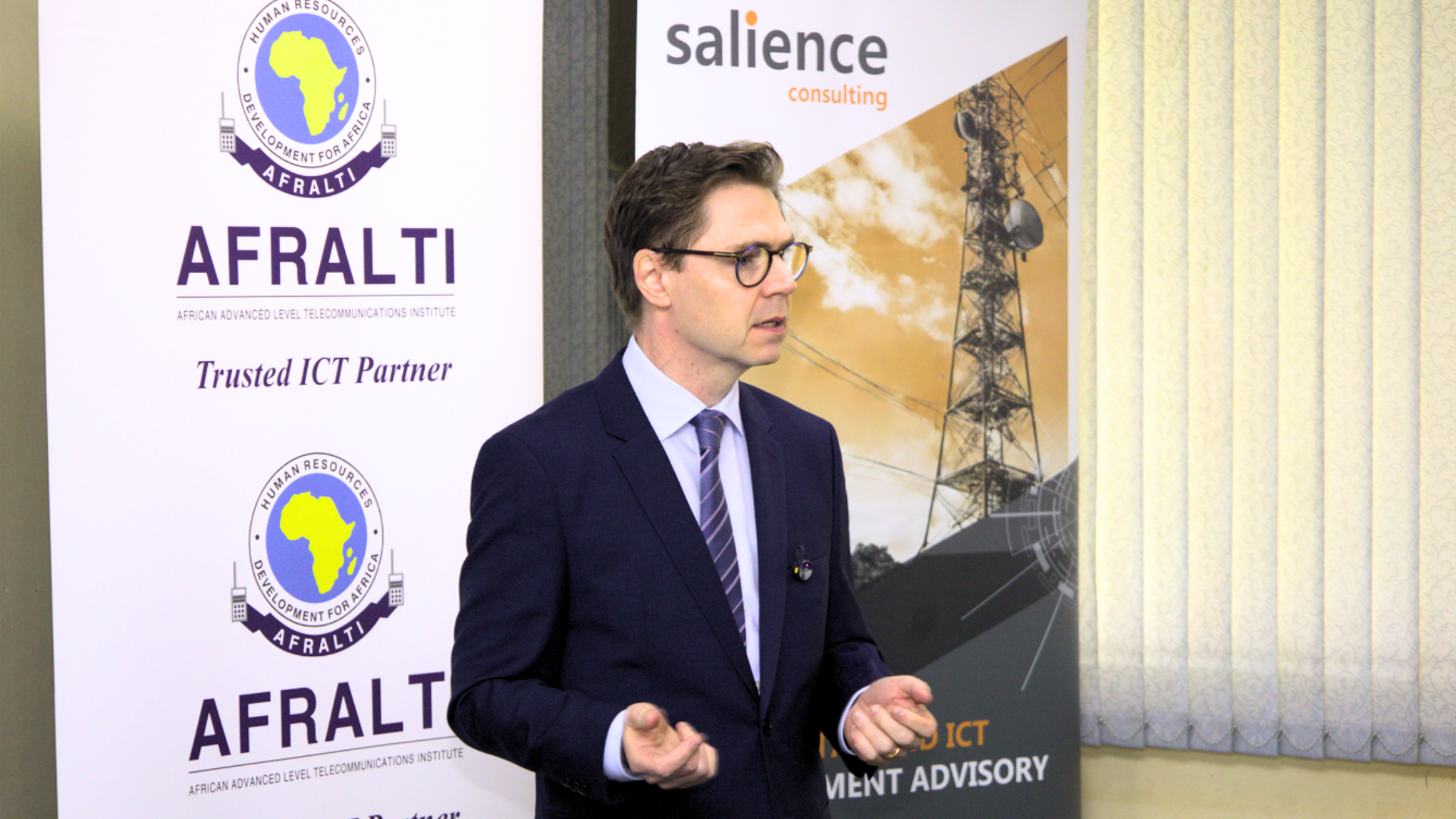
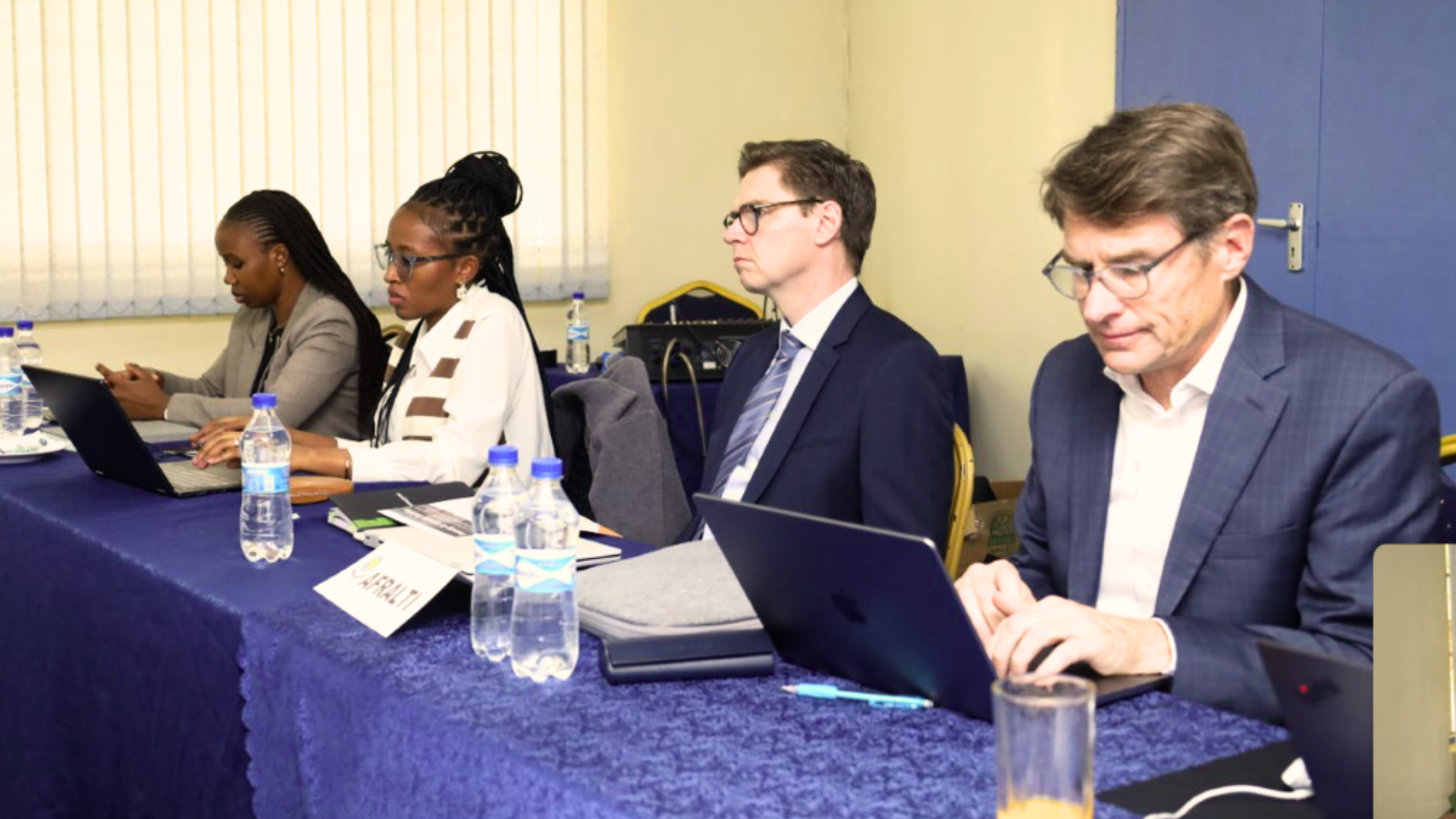
Salience Consulting and the African Advanced Level Telecommunications Institute (AFRALTI) have officially launched their joint Training & Capacity Building portfolio at the AFRALTI Annual Liaison Officer Forum in Nairobi, Kenya. The launch marks the next milestone in the strategic partnership between the two organisations and introduces a new portfolio of practical programmes that will be delivered through mutual networks across Africa and globally.
Building on the strategic partnership announced earlier this year, the new portfolio has been developed to strengthen institutional capability and support the growing demand for practical, policy-focused training across the telecommunications and digital infrastructure sectors. Combining Salience’s international advisory expertise with AFRALTI’s regional leadership in ICT capacity development, the portfolio equips organisations with the knowledge and skills needed to navigate today’s rapidly evolving digital landscape.
The launched training and capacity building portfolio is organised around four specialist areas designed to strengthen capability across the digital infrastructure ecosystem:
- Regulation, Economics and Investment Feasibility, helps participants to strengthen regulatory frameworks, support digital infrastructure investment and address evolving telecommunications and digital economy challenges, with public–private partnerships frameworks, and regional roaming initiatives, policies, approaches and implementation key focal areas.
- National Cyber Governance, an executive programme that provides a framework for cyber resilience based on the three layers – authority, control, execution – ensuring that investment in technology and skills is backed by effective governance, leadership, and coordinated execution.
- Fraud, Revenue Assurance and Risk Management, provides practical frameworks to audit financial metrics, mitigate roaming and interconnection fraud, and enforce regulatory compliance throughout the enterprise lifecycle.
- Emerging Technologies, Fundamentals, and GIS, for practical skills in modern telecommunications, digital inclusion, and GIS. This integrated course covers communication network fundamentals, emerging technologies, universal access strategies, and hands-on GIS training to equip participants with the knowledge and tools to support connected, data-driven communities.
The portfolio is designed for governments, telecommunications regulators, ministries, universal service funds, operators, infrastructure providers, development banks, international organisations and investors. Programmes are available as executive briefings, regional workshops, in-country training, classroom delivery, virtual learning and customised institutional capacity-building initiatives.
Built on Salience’s advisory experience across telecommunication regulation, digital infrastructure, digital policy, finance and cyber governance, the programmes combine global best practice with practical case studies and proven methodologies developed through projects delivered across Africa and internationally.
The full Training & Capacity Building Portfolio is available for download from the Salience Consulting and AFRALTI websites.
About AFRALTI
The African Advanced Level Telecommunications Institute (AFRALTI) is an intergovernmental organization dedicated to human and institutional capacity building in the ICT and communications sector. Headquartered in Nairobi, Kenya, AFRALTI serves its member states and stakeholders through specialized training, research, consultancy, and professional development programs.
About Salience Consulting
Salience Consulting is an international ICT management advisory firm specializing in telecommunication regulation, digital policy, spectrum management, competition, digital transformation, and strategic advisory services. The firm works with regulators, governments, policymakers, operators, and international organizations across multiple regions to support sustainable sector development and digital innovation.